

There’s no single fence height that keeps every dog in. The right fence height for a dog depends on that dog’s size, athletic ability and habits, along with the rules at your property. A fence that is tall enough to discourage jumping can still have a climbable surface, a gap beneath the gate or an easy route under the bottom edge.
Start with the whole enclosure. All Island Fence & Railing’s chain link fence is one possible starting point, but the discussion should include whether your dog climbs, digs, squeezes through openings or reacts to activity beyond the yard. Those answers can change the material and layout as well as the height.
Describe the dog you have, not an average dog
A calm dog that stays close to the patio presents a different planning problem from an athletic dog that has already cleared a fence. Size matters, but it does not tell the entire story. A smaller dog may fit through an opening that a larger dog cannot, and a determined climber may use a surface that another dog ignores.
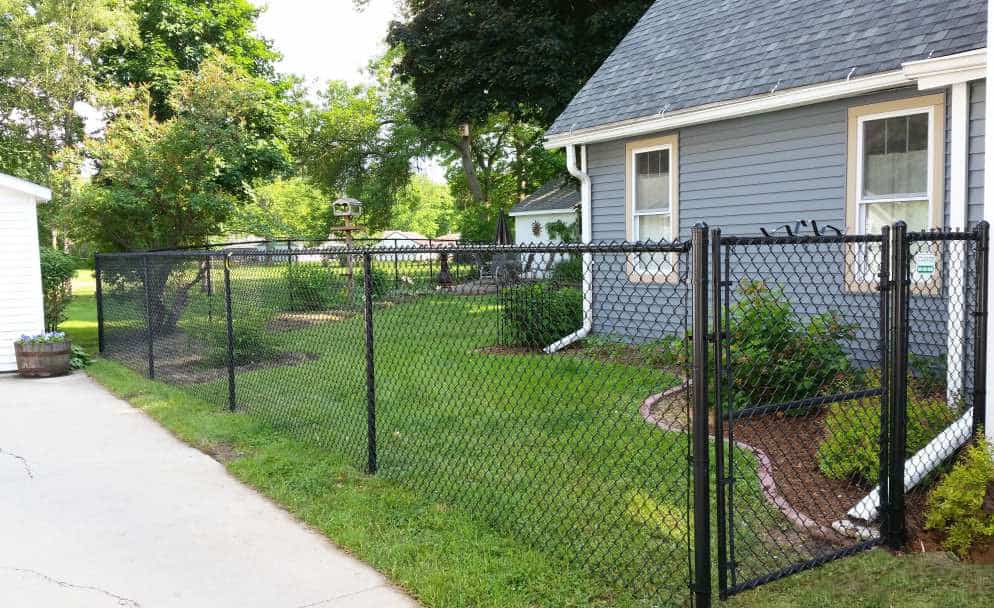
Write down what you have actually observed. Has your dog jumped an existing barrier? Does it put its paws into mesh and climb? Does it dig along a boundary or rush the gate when someone arrives? Give that information to the installer. A description such as “medium-sized dog” is much less useful than an explanation of the escape route you are trying to prevent.
If the behavior is new, persistent or linked to fear when left alone, seek help from a qualified trainer or your veterinarian. A fence is one part of management. It does not replace supervision, exercise or work on the behavior that sends the dog toward the boundary in the first place.
Look for all four escape routes
The American Kennel Club’s guide to dog fencing suggests choosing a fence based on how your dog behaves in the yard, and it points out that jumpers, climbers and diggers each get past a fence in a different way. That’s a better starting point than a height chart built around breeds.
Walk the yard and check these separate questions:
- Over: Could the dog jump from the ground, a bench, stacked material or another object near the fence?
- Through: Are panel openings, picket spacing or damaged areas large enough for this dog to squeeze through?
- Under: Are there low spots, washed-out areas or digging opportunities along the fence and gates?
- Out the gate: Can the gate be left open, fail to latch or be pushed through before a person notices?
Take photos of the tricky spots from the dog’s side of the fence. The street view may look neat while hiding a raised planting bed or a gap beneath the inside face. Those photographs help turn a vague request for a taller fence into a useful installation discussion.
How height fits with the rest of the fence
Height does matter. It just isn’t the only thing. As a rough guide, a short picket fence suits small or calm dogs that don’t jump or climb, but it won’t contain a large dog or a determined one. A taller fence suits dogs that jump, though only if the surface isn’t climbable and the bottom is dealt with. So the real question is how much height your dog needs, and what the fence needs besides height to hold up.
| What your dog does | What to ask about |
|---|---|
| Jumps | Overall height, and anything near the fence that works as a step |
| Climbs | The surface itself, because mesh and some open styles give paws something to grip |
| Digs | Bottom edge and ground-level details |
| Squeezes through | Picket spacing, panel gaps and damaged areas |
| Rushes the gate | Gate placement, latch and what happens when it’s left open |
Match the material to the behavior
Chain link keeps the view open and allows you to see across the boundary. That visibility may suit some yards, but it does not suit every dog. Discuss mesh, height and bottom details, and be explicit if your dog has demonstrated climbing behavior. Do not assume that more height alone resolves that problem.
A solid fence cuts down on what your dog can see of passing activity. It isn’t a behavior fix, though, and it won’t guarantee the barking stops. Wood fencing and PVC privacy styles are alternatives to discuss when blocking your dog's view is part of the plan. Ask how the proposed style handles corners, changes in grade and gate openings.
Whichever material you consider, ask to see the actual opening dimensions and bottom arrangement. A puppy’s current size may not be its adult size, while a second smaller dog can create a different requirement from the one you originally planned around. Give the installer information about every dog that will use the yard.
Plan the fence around your dog’s habits. Request a yard-specific estimate from All Island Fence & Railing. Include photographs, previous escape behavior and the gates your household uses most often.
Give the gate as much attention as the fence
The gate is where people, equipment and dogs all meet. Consider how deliveries, bins, gardening and guests move through that opening. A latch that works properly still relies on people closing the gate. Discuss a suitable closing and latching arrangement, then make sure everyone in the home understands how to use it.
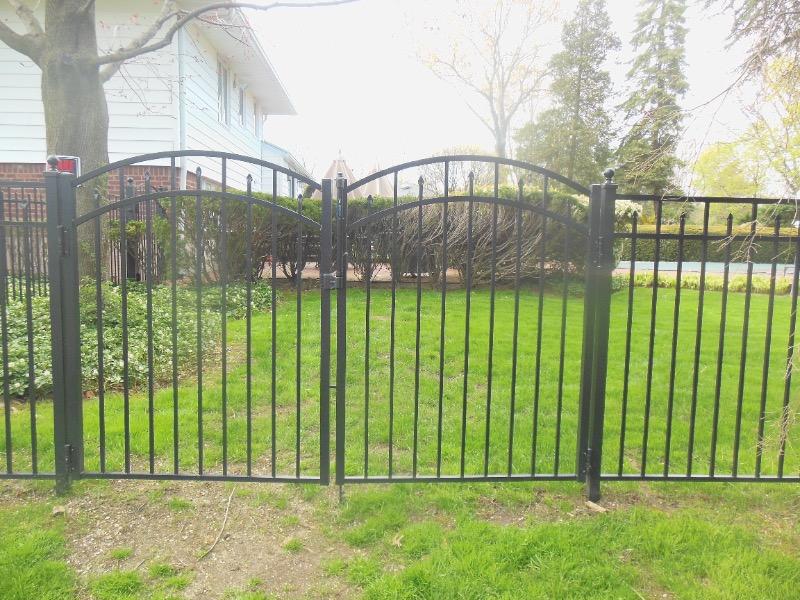
Check the ground beneath the full swing of the gate. A slope can create a larger gap in one position than another, and a gate that drags tends to get left partly open. That is a daily use problem as well as a containment problem. Resolve the location and operation before installation rather than treating the gate as an accessory ordered at the end.
Keep climbable objects away from the boundary after the work is complete. A new storage box or garden bench can change the situation even though the fence itself has not moved. Inspect the perimeter again after landscaping changes or whenever you notice damage or disturbed ground.
Check the permitted height before choosing it
Long Island properties fall under different town and village requirements. Confirm what applies to your address, location and fence type through the town regulations and your local building department before you order. A front boundary may be treated differently from a rear yard, and a pool enclosure needs separate attention. This is why a universal “dog fence height” recommendation can be misleading.
Once the allowable options are clear, compare the complete enclosure against your dog’s behavior. Height, material, bottom gaps and gate management should work together. Get the proposed dimensions in writing and review the finished installation from inside the yard before letting the dog use it.
For the first uses, stay outside and observe. Keep supervising in a way that suits your dog, and deal quickly with any attempt to climb, dig or push through. The aim is a thoughtfully planned boundary supported by sensible management, not an escape-proof promise that no fence can responsibly make.


