

When you’re weighing an aluminum vs vinyl fence, the real question is what you want to keep visible. Aluminum makes more sense than vinyl when you want a visible boundary without closing off the view. The question is less about which material is universally better and more about what should remain visible through the finished fence.
All Island Fence & Railing’s aluminum fence installations include different styles, heights and colors. Before selecting one, look at the sightlines, openings and gate requirements on your property. A good-looking fence won’t help if it solves the wrong problem.
Choose the amount of openness first
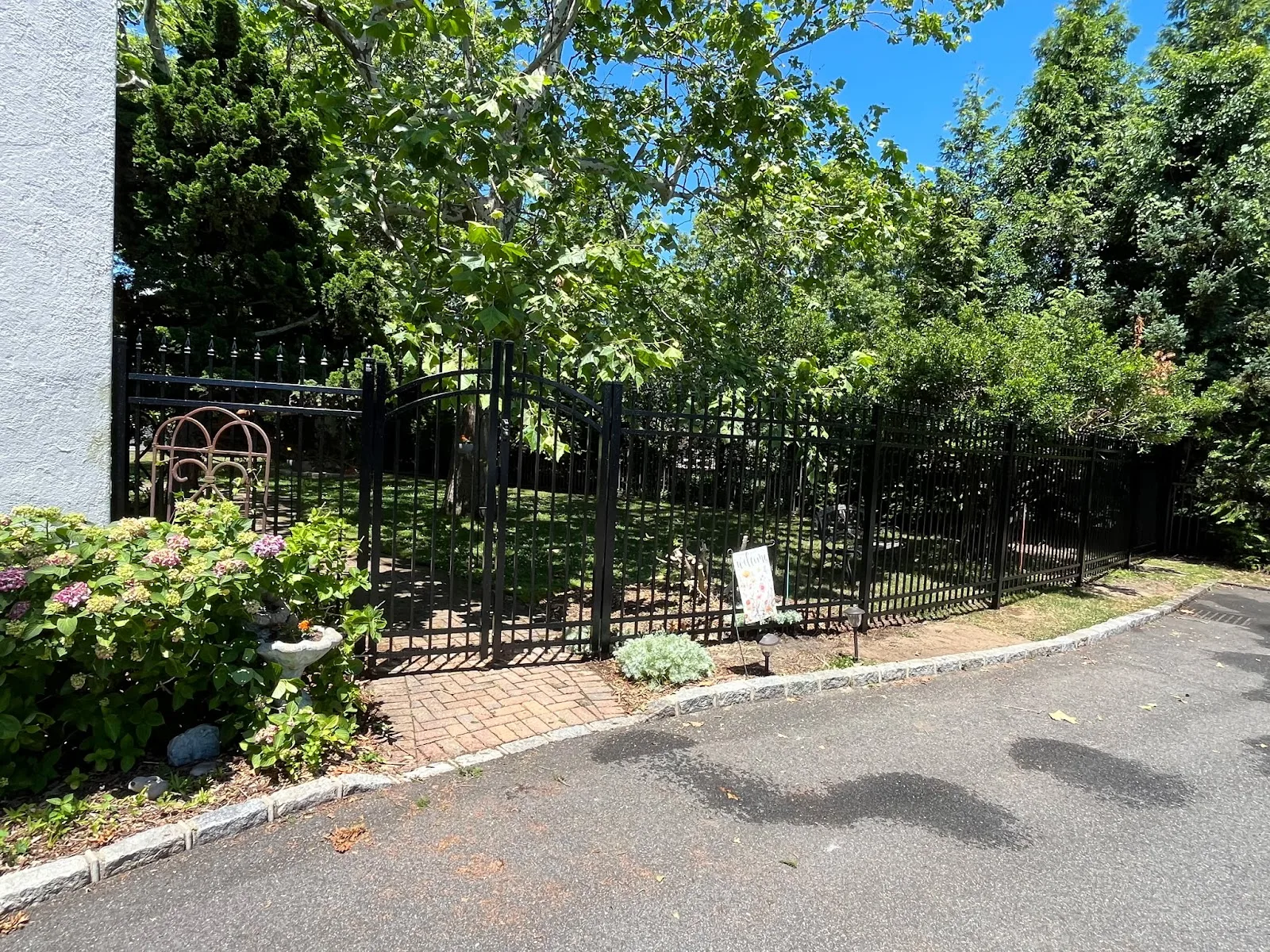
An open aluminum fence can define a garden, separate parts of a yard and keep the landscape visually connected. You can see planting and features beyond the fence, and the boundary remains apparent without becoming a solid backdrop. That makes it worth considering when the view itself is something you want to preserve.
A vinyl privacy fence works the other way. The panel becomes part of the view and can create a more enclosed seating area. If privacy is the goal, work out the actual line of sight first, such as a neighbor’s upstairs window or the street. A solid panel at the wrong height or in the wrong location may provide less privacy than you expect.
Do not choose an open fence hoping that it will somehow behave like a privacy fence later. Adding material to a fence after installation can change the demands on the system and may not be an approved modification. Specify the privacy requirement at the beginning. If your property needs both openness and privacy, discuss separate sections with a planned transition.
Compare the details that affect daily use
Before comparing materials, write down what each part of the fence has to do. A front garden boundary, a dog area and a pool enclosure should not automatically receive the same specification simply because one color looks good throughout the property. Decide the function first, then match the look.
| Aluminum | Vinyl | |
|---|---|---|
| View | Open pickets keep sightlines clear | Solid privacy panels obstruct them |
| Privacy | Limited, since the design is open | Strong with a privacy style |
| Small pets | Check picket spacing and the gap at the bottom | Check the gap under panels and gates |
| Upkeep | Occasional cleaning, plus checks of gates and hardware | Occasional cleaning, plus checks of gates and hardware |
| Weather | Ask how the finish holds up in sun, salt air and weather | Ask how the product handles sun, wind and temperature swings |
| Pool use | Often considered, but the full setup must meet code | Depends on style and gate, so check the requirements |
Weather matters too. On Long Island, salt air, wind and freeze-thaw winters all put a fence to the test. Ask the installer how the specific product and finish hold up in those conditions, and what the manufacturer requires for installation.
Ask for the specifications of the product being proposed. A photograph can show the general look, but it will not tell you the opening dimensions, how a gate closes or which installation conditions the manufacturer permits. Those details are especially important when the fence serves a safety purpose.
Want an open boundary without guessing at the details? Take a look at All Island Fence & Railing's aluminum range and request an estimate around your yard layout, gate needs and intended use. Include any pool or pet requirements at the first conversation.
A pool fence needs its own review
Aluminum is often considered around pools because its open design preserves visibility. That does not mean every aluminum style, height or gate arrangement automatically meets the rules at every property. The complete barrier matters, including openings, ground clearance, gates and the relationship to the house and other structures.
Before settling on a product, ask the local building department which requirements apply to your particular pool and site. Have the proposed fence and gate configuration reviewed against those requirements. Do not make a purchase based only on a brochure description that says a style is suitable for pools.
The same caution applies to substitutions. A different latch, an altered opening or a change in grade may affect the completed arrangement. Keep the agreed specification clear so the installer, homeowner and reviewer are discussing the same design.
Walk the ground and check every gate opening
A sloping boundary changes how a fence meets the ground. The panel system and the installation method determine how that change is handled. Ask the installer to show what happens at the steepest portion of the proposed run and at transitions to level ground. A broad photo of a finished yard can hide the detail you need to understand.
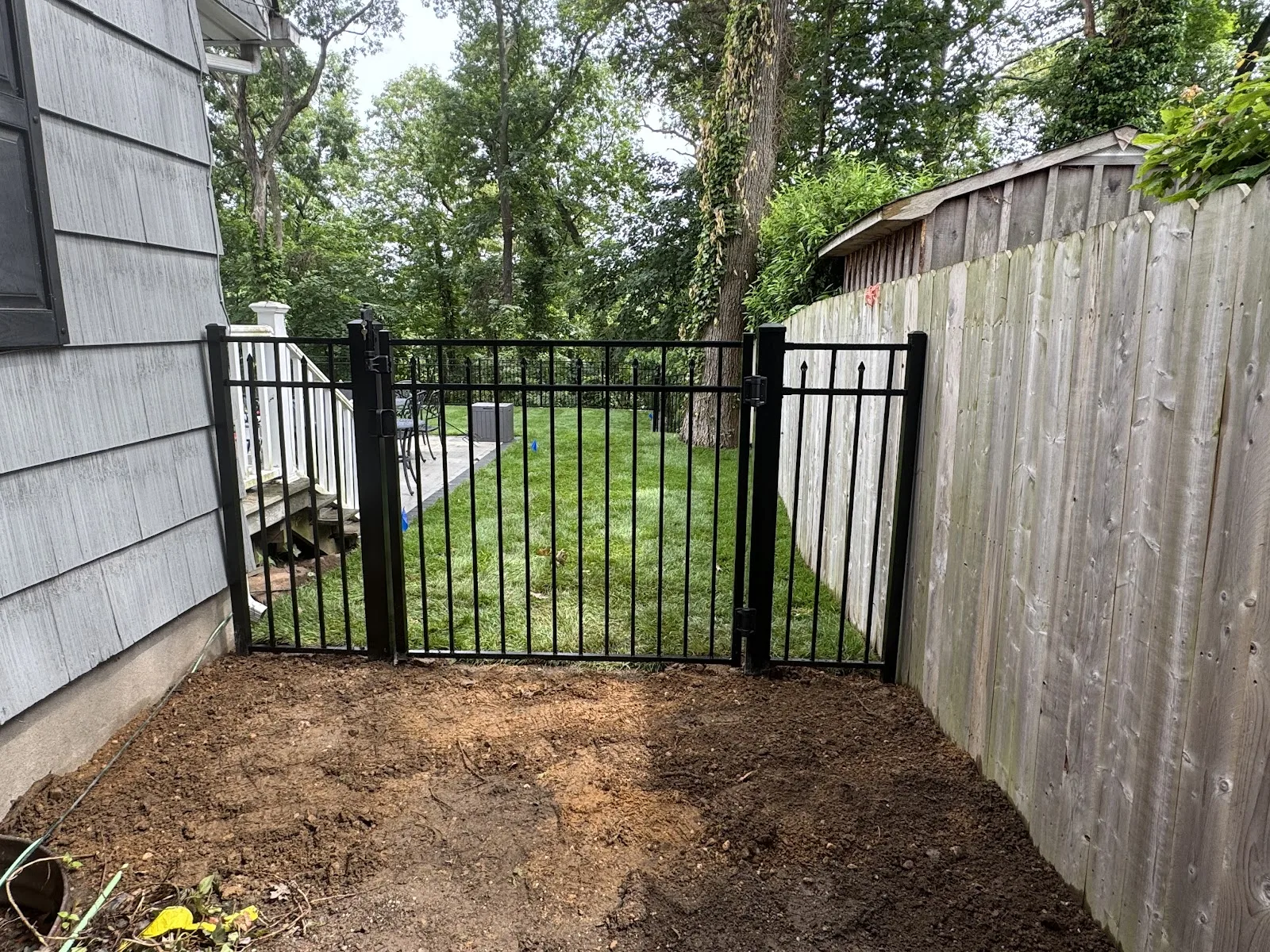
Gates need extra attention. A gate has to move through an arc, not simply look level when closed. Ground rising into that arc, a nearby wall or an established planting bed can make an apparently convenient location troublesome. Include the route for bins, lawn equipment and any larger access needs in the discussion.
For dogs, inspect the gap beneath the gate separately from the gap beneath the fence. For a pool, take the exact arrangement back to the applicable requirements. For a garden boundary, consider how the opening looks from the house. One site walk can reveal several different reasons to change a gate position before installation.
When vinyl is the better choice
If your main goal is visual privacy, All Island Fence & Railing's PVC fencing deserves a direct comparison. Start with a privacy style rather than asking an open aluminum system to do a job it wasn’t chosen for. Compare the actual panel, posts and matching gate as one composition.
If natural texture matters more than either material’s appearance, there is also a separate conversation to have about wood fencing. That brings different upkeep expectations. It is better to acknowledge those preferences now than to approve a fence solely because a material has a reputation for being easy to own.
The practical choice is the system that provides the right visibility, access and function at your address. Bring a property plan, a few wide photographs and a short explanation of what you want the fence to accomplish. With your plan in hand, an estimate can describe a real solution instead of just quoting a material.


